
Stories That Matter. Making Your History Meaningful.
CenterSignal helps organizations uncover and share the stories that shape places, institutions, communities, and brands. From community storytelling to organizational histories, we combine rigorous archival research, historical insight, and strategic communications to deepen connection, strengthen identity, and build lasting public trust.
Three Ways We Tell Stories That Matter
Community Storytelling
We help communities uncover and share the stories that define who they are, creating stronger connections between people, places, and shared history.
Organizational Histories
From nonprofits and universities to public agencies and cultural institutions, we research, document, and tell the histories that preserve institutional memory and strengthen organizational identity.
Company Legacies
We help companies uncover and communicate the stories behind their founders, people, milestones, and values—turning company history into a lasting business asset.
Selected Work
The projects below demonstrate the research, historical storytelling, and strategic communications approach that defines CenterSignal. While several involve historically complex public projects, they illustrate capabilities that also apply to organizational histories, company legacies, community storytelling, and place-based projects of every kind.
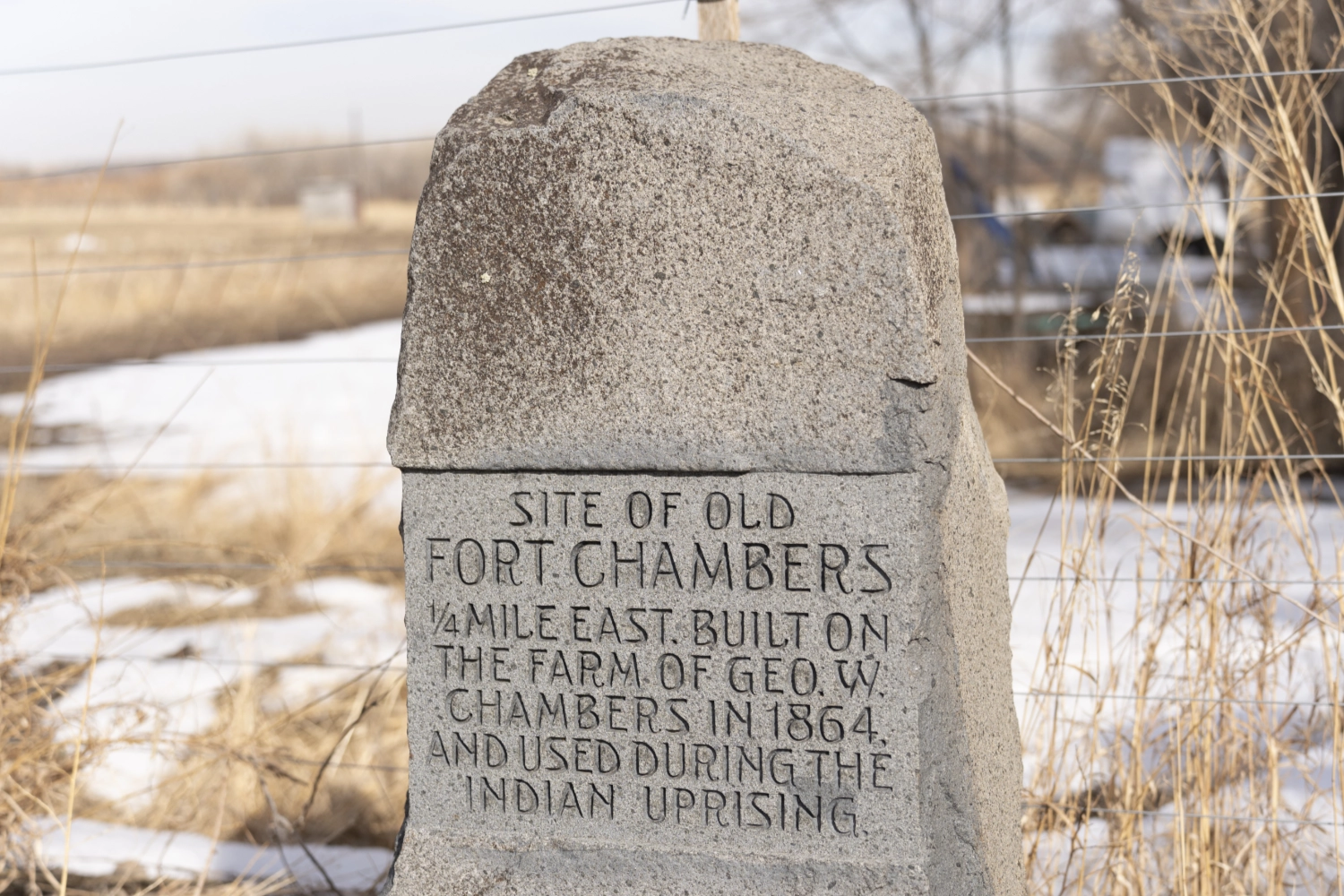
Boulder, Fort Chambers, And The Sand Creek Massacre
CenterSignal’s approach draws on founder Phillip Yates’s prior public-sector experience leading award-winning communication and public history work with Cheyenne and Arapaho Tribal Representatives while employed by the City of Boulder.
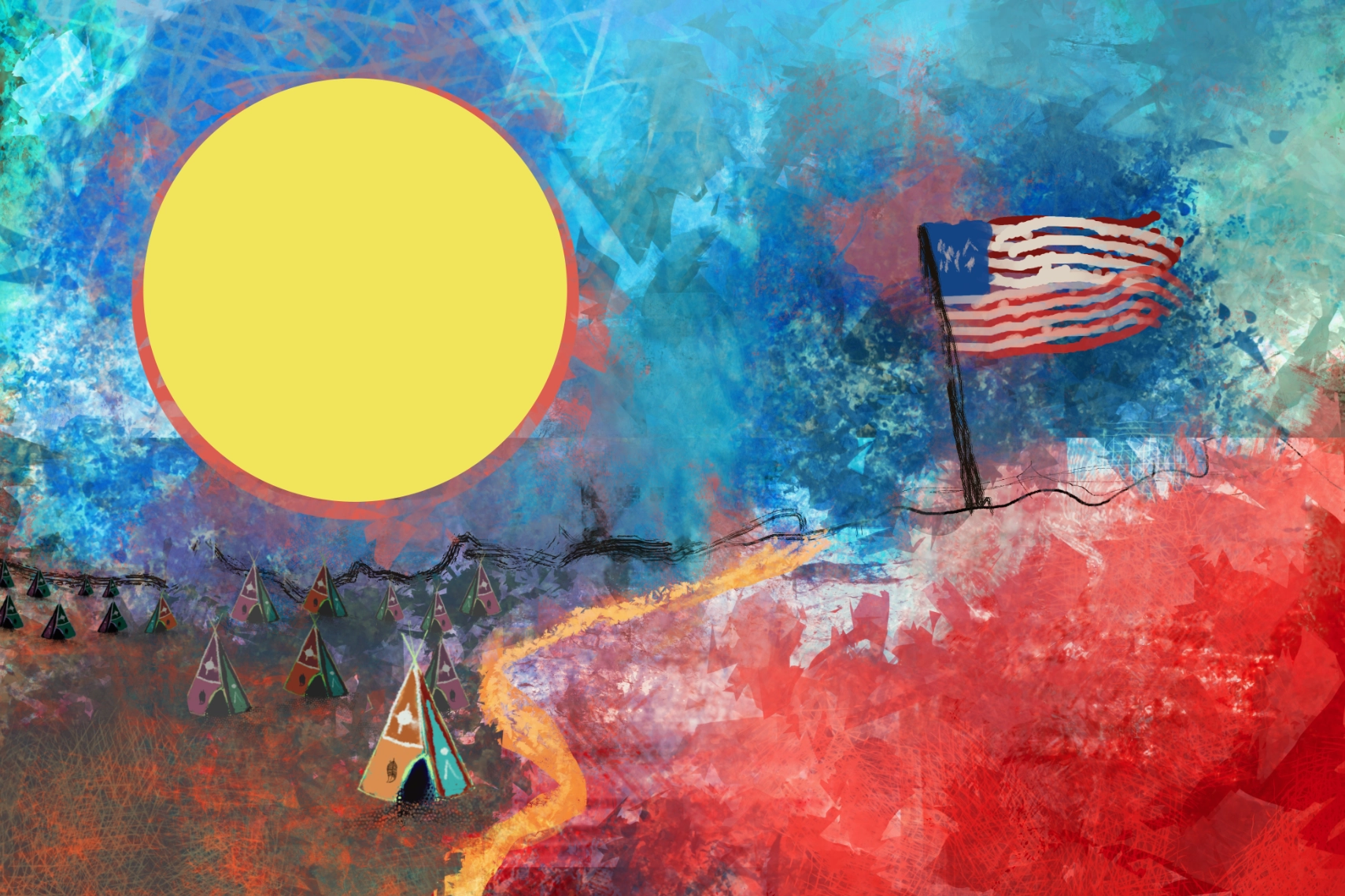
The work elevated Tribal Representative perspectives, corrected incomplete local histories, and helped the public understand Boulder County’s connection to the 1864 Sand Creek Massacre—shaping long-term land-use planning, site preservation, and future public interpretation for the historic Fort Chambers site.
Building Arapaho, Cheyenne, And Niwot Relationships
CenterSignal’s experience includes community-based work supporting relationship-building with Arapaho and Cheyenne communities in Niwot, Colorado—a town named for Southern Arapaho Chief Nowoo3, also known as Chief Niwot or Left Hand.
That history carries a special responsibility: a Niwot town founder was connected to a military unit that participated in the Sand Creek Massacre, where Nowoo3 was mortally wounded. At a 2025 community gathering in Niwot, Tribal Elders emphasized that truthful historical storytelling is the essential foundation for meaningful relationships.
Helping Organizations Make History Meaningful
Every organization has a history worth understanding and a story worth sharing. Whether preserving institutional memory, celebrating a milestone, documenting community history, interpreting a significant place, or navigating a complex past, CenterSignal helps organizations uncover, interpret, and communicate stories that strengthen identity, deepen connection, and build lasting public trust.
- Community Storytelling & Local History
Helping communities uncover, preserve, and share the stories that strengthen identity, celebrate heritage, and deepen connection.
- Organizational Histories & Institutional Memory
Researching, documenting, and communicating the histories that preserve institutional knowledge, strengthen organizational identity, and carry legacy forward.
- Company Legacies & Anniversary Initiatives
Transforming company history into a strategic business asset through founder stories, milestone celebrations, anniversary campaigns, and legacy storytelling.
- Public History & Interpretation
Developing historically grounded content for exhibits, interpretive experiences, publications, signage, and public-facing storytelling.
- Place-Based Storytelling & Placemaking
Helping organizations reveal the history and identity of places to create deeper understanding, stronger community connection, and more meaningful experiences.
- Complex Histories & Sensitive Projects
Guiding organizations through historically complex subjects with rigorous research, thoughtful interpretation, and collaborative storytelling that builds trust.
Organizations and Places We Serve.
Every organization has a story, and every place has a history. We help communities, institutions, companies, and public organizations uncover and communicate the stories that shape identity, strengthen relationships, and build lasting public trust.
Organizations
- Companies
- Nonprofits
- Universities & Colleges
- Museums & Cultural Institutions
- Public Agencies
- Foundations
- Conservation Organizations
Places & Communities
- Communities
- Downtown Partnerships
- Historic Districts
- Redevelopment Projects
- Parks & Public Spaces
- Tribal Nations & Indigenous Communities
- Historic Sites & Cultural Landscapes
“When we came to [Boulder], we didn’t know anybody, and so we were kind of feeling our way around wanting to know, ‘What does the city want from us? Why are they asking us to be here?’” said Fred Mosqueda, Southern Arapaho, recalling when he met Phillip Yates, CenterSignal founder, during City of Boulder efforts to rebuild relationships with Tribal Nations.
“Phillip came out and was very honest with us, was very open. He’s very easy to talk to, and so I was able to start a friendship with him almost from day one.”
Niwot Living History
NiwotLivingHistory.org is an independent civic history and public education platform created by Phillip Yates to help the Niwot, Boulder Valley, and Denver Metro communities better understand Southern Arapaho Chief Nowoo3, Arapaho and Cheyenne history, the Sand Creek Massacre, public memory, Native art, and relationship-building.
The site connects relationship-building and public education through a seven-chapter history pathway, Arapaho and Cheyenne perspectives, a learning library, public art documentation, artist-first programming, film programming, and tree carving preservation.
Read More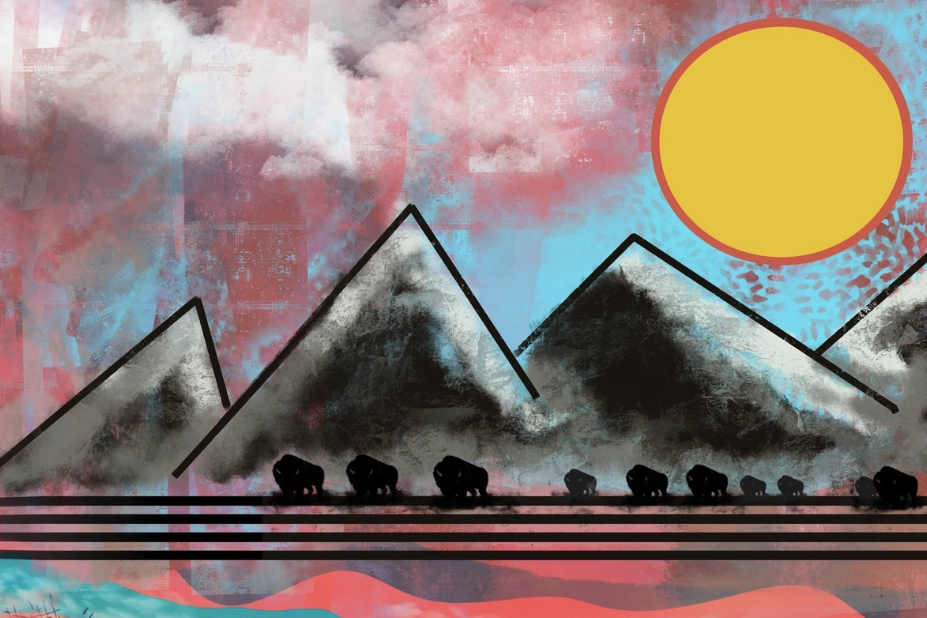
Let’s Tell Your Story.
Every organization has a story worth telling. Whether you’re preserving an organizational history, celebrating a company milestone, documenting a community’s story, or exploring the history of a place, CenterSignal helps uncover and share the stories that deepen connection, strengthen identity, and build lasting public trust.